A guest can appreciate great service and still walk away without leaving a tip. In a cashless venue, the familiar moment of handing someone a few pounds is gone. What replaces it can feel less personal: a tip screen at the till, a QR code to scan or an awkward question at the end of a transaction.
That matters. Recent data from Paynt’s analysis of one million UK hospitality transactions found that the proportion of transactions including a tip fell from around 10.9% to 5.5% between June 2024 and February 2026. Over the same period, the average tip rose from £4.87 to £14.39.
That is one provider’s dataset, not a measure of every UK venue. It does, however, point to a pattern worth paying attention to: fewer guests may be tipping, while those who do leave more. The challenge for hospitality businesses is to make tipping easy, clear and personal, without making guests feel pressured.
Why cashless tipping can feel awkward
Cashless payments are quick. Tipping through them can add an unexpected decision to a moment that used to feel simple.
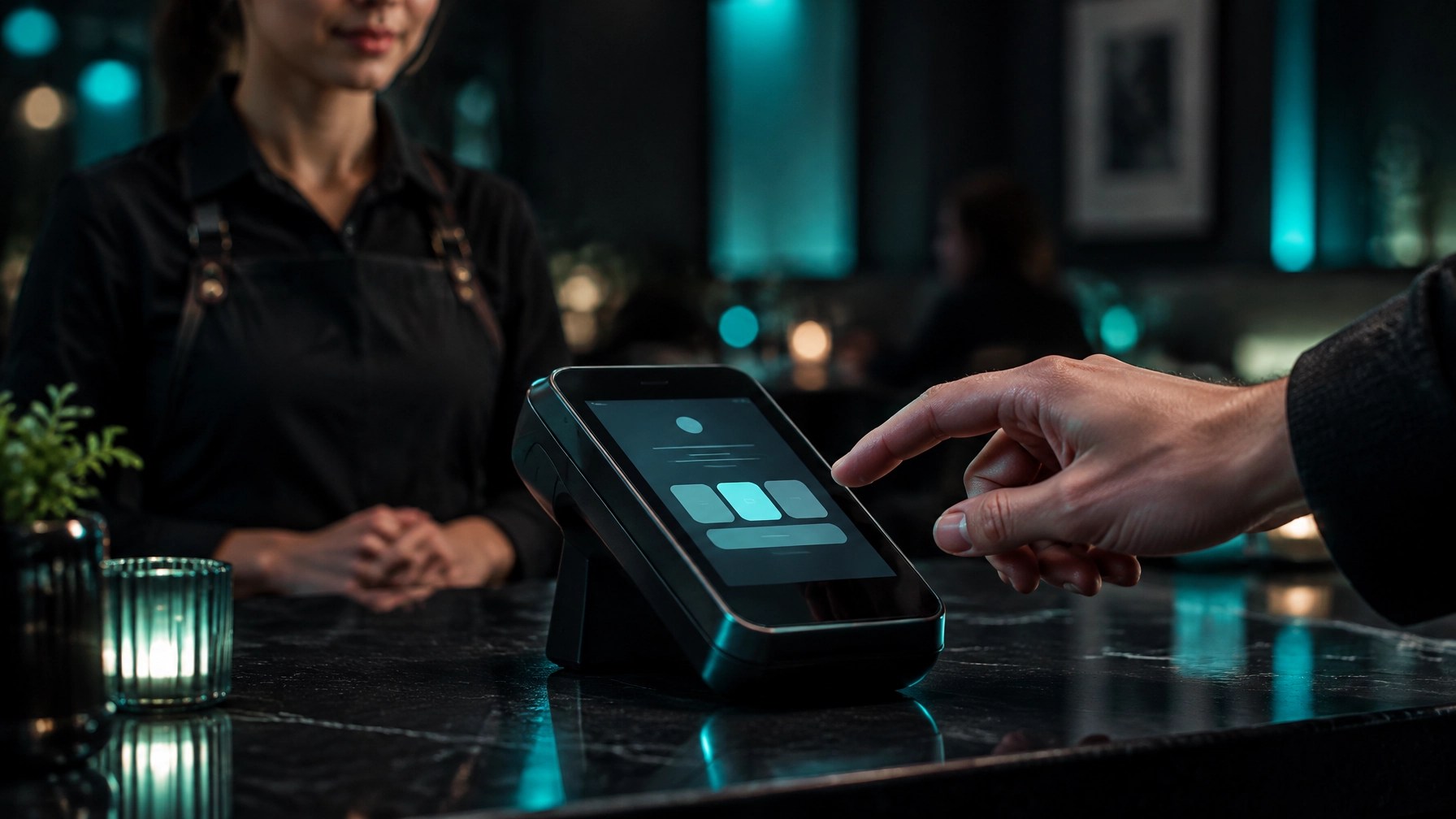
A card terminal may ask for a tip while the guest is paying for their meal or drinks. The server might be waiting nearby. The guest has to choose an amount, decide whether to tip at all, and wonder who will receive the money. When a prompt feels public or rushed, it can be easier to press “no tip” and move on.
QR codes and apps have their own friction. Guests may need to find their camera, scan a code, open a page and work out which staff member to select. Those steps can interrupt the interaction instead of extending it.
There is also the question of trust. A Which? survey of 2,134 UK adults found that 31% of people who had tipped in a restaurant were not confident about who would receive their tip. The same survey found that 70% of restaurant tippers had tipped in cash.
Convenience alone does not make a tip feel good. Guests also want a clear, comfortable way to thank the person who served them.
Bring back the human moment
A good tipping experience should feel like a natural extension of good service. The guest decides whether to tip. The staff member remains part of the interaction.
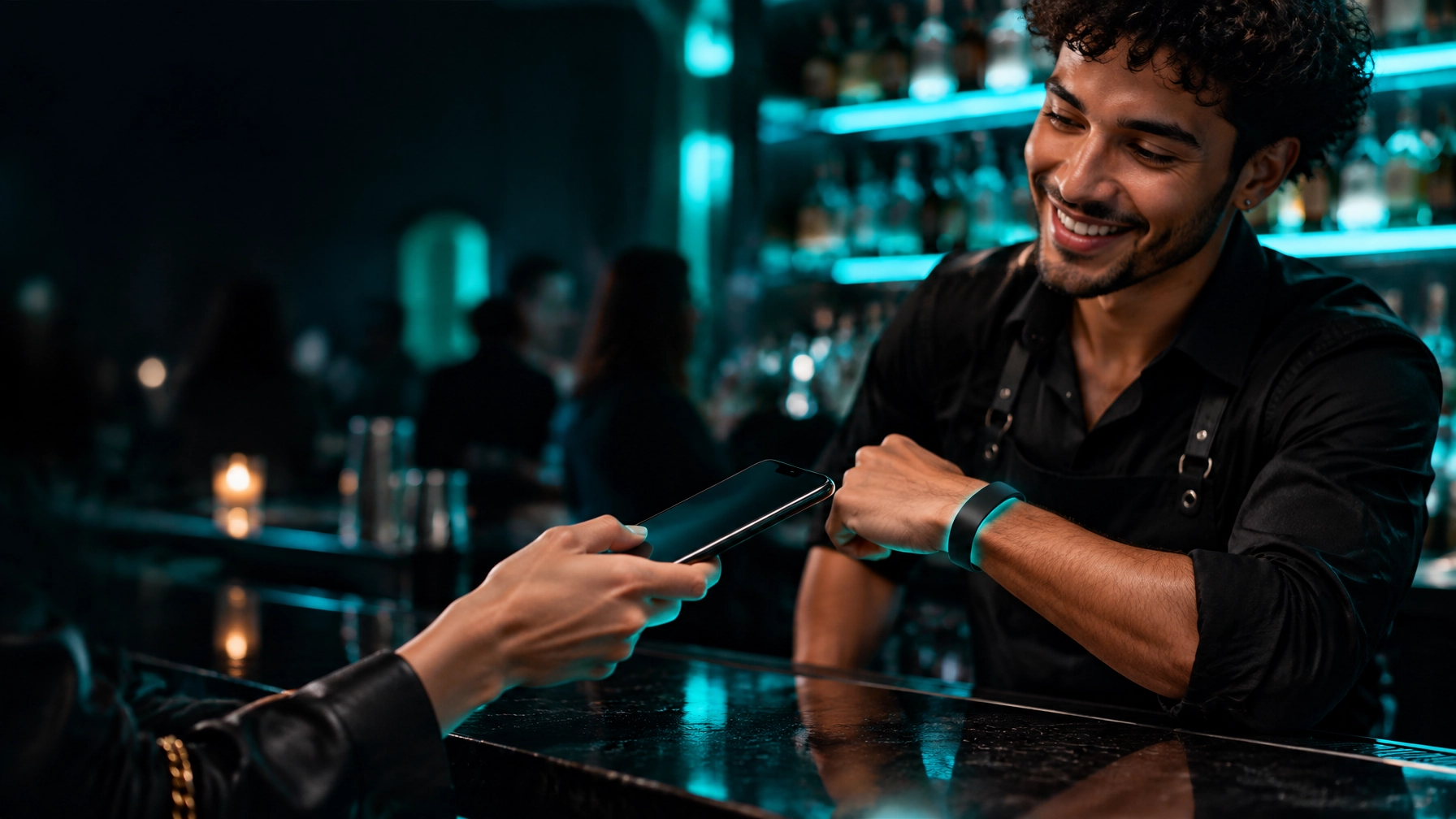
That is where wearable tap to tip technology offers a different approach. With an NFC tipping device such as a wristband, a guest can tap their phone directly on the staff member’s wristband. They choose an amount and confirm the payment on their own device.
The technology handles the payment. The people stay at the centre of the moment.
There is no need to ask a guest to download an app or search for a staff member’s name. The tap happens face to face, after the service, not as a surprise prompt while the guest is trying to pay their bill.
A tap should never feel like a demand. Staff can make the option available with a simple, low-pressure line, such as: “If you’d like to leave a tip, you can tap here.” Guests can choose whether to act. That balance keeps the exchange warm and respectful.
What makes a digital tip feel personal?
The best digital tipping solutions make the process easy without hiding what happens next. For guests, that means:
- A simple action: one tap, followed by a clear payment choice.
- Room to decide: no pressured conversation or confusing default amount.
- A direct connection: the guest can recognise the person they are thanking.
- Clarity: the payment flow explains how the tip is handled.
For staff, a staff tipping platform should make earnings easy to follow. Workers should be able to see tips as they come in and understand where their money goes. Direct payouts can also help staff receive their tips promptly into their staff account, rather than waiting for an unclear process.
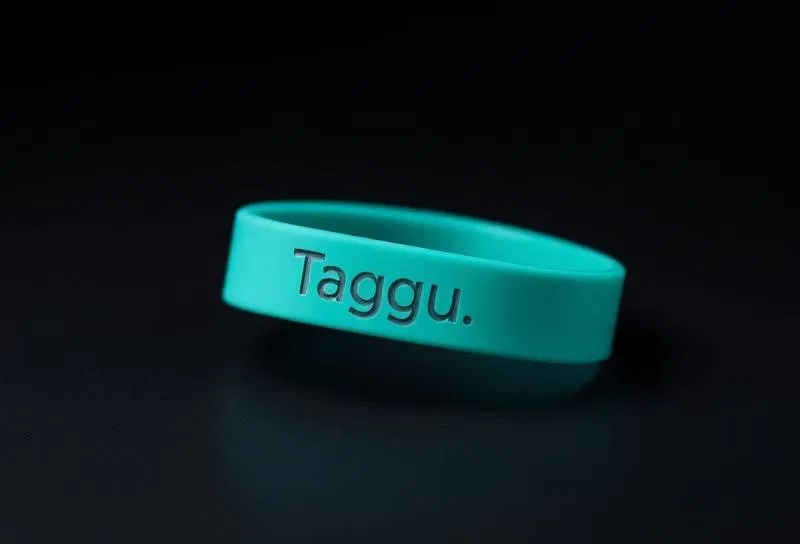
Taggu’s intelligent wristbands are designed for staff in bright and dark venues. Guests tap a phone on the wristband to leave a tip. Taggu states that 100% of tips go to staff, with technology fees charged separately rather than deducted from tips. Tips go directly to the staff member’s account. Venues pay £0 in monthly fees and setup costs.
That separation matters. A technology fee is not a deduction from a worker’s tip; guests and venues should be able to see how the service is priced. Staff can learn more about getting started in the Taggu setup guide.
Cashless tipping UK: keep choice and transparency
Cashless tipping hospitality works best when it offers a choice, not an expectation. Make it just as easy for a guest to leave no tip as to leave one. Keep the prompt neutral. Let the guest choose an amount rather than steering them into a particular percentage.
Be clear about how tips are distributed. If tips are shared across a team, explain the approach. If a tip goes to an individual, make that clear too. This reassurance is useful for guests, and important for staff.
It can also help to review your figures regularly. Look at both the number of transactions that include a tip and the average tip amount. Break them down by payment method, shift or venue area where possible. A higher average tip does not necessarily mean more staff are receiving tips overall. Tracking both measures gives you a clearer picture.
What hospitality tipping laws UK venues should know
In England, Scotland and Wales, the relevant law is the Employment (Allocation of Tips) Act 2023. Its main provisions and the statutory Code of Practice took effect on 1 October 2024. Northern Ireland is not covered, because employment law is devolved there and different rules apply.
In broad terms, employers must pass qualifying tips to workers in full. They cannot deduct business costs — such as card or platform processing fees, admin or breakages — from tips. The only usual deductions are those required by law, such as income tax and National Insurance. Where an employer has control or significant influence over how tips are allocated, the law treats those tips as qualifying tips. The allocation of qualifying tips must then be fair, and the process must be transparent. If qualifying tips are paid at a place of business more than occasionally or exceptionally — or the employer has control or significant influence over them — the employer must have a written tipping policy, make it available to all workers, and keep records of tips and how they were allocated for three years.
The payment method does not decide whether a tip is covered by the rules. A digital payment can still count as a qualifying tip. A wearable device or payment platform can help make the process clearer, but it does not replace an employer’s responsibilities. Venues should make sure their policy and records reflect how tips are actually handled. Read the official Code of Practice.
This is general information, not legal advice, and reflects the law in England, Scotland and Wales as at 10 October 2026. How the rules apply depends on your own arrangements. Take professional advice before changing your tipping policy or records.
Make the thank-you easy
Fewer guests may be choosing to tip, but the answer is not to make them feel obliged. It is to remove unnecessary friction and bring back the personal connection: a guest recognises good service and has a simple, comfortable way to say thank you.
For venue owners and managers, start with three practical steps:
- Make tipping optional and low-pressure.
- Explain clearly how tips reach staff.
- Offer a straightforward way to tip that fits the service moment.
If you are a business or self employed and would like to use the Taggu wristband and set up an account, contact us at Contact@wetaggu.com.
The right cashless tipping UK experience should feel less like a payment prompt and more like a natural thank-you. A wearable tap-to-tip option can help make that moment personal again: one guest, one member of staff, one simple tap.
Leave a Reply